Predictive tire maintenance uses pressure records, tread wear measurements, and technician inspections to track changes before major issues develop. Drivers can monitor repeated air loss, uneven wear, and changing tire conditions over time. Comparing service history with physical checks helps identify concerns early and supports timely tire repairs and replacements.
A driver came into the shop after adding air to the same tire several times over six months. The tire was not worn down to the replacement limit, and the dashboard had not displayed a warning. The repeated pressure loss was the detail that mattered.
The service record showed the tire dropping from 35 PSI to 30 PSI between visits over a four-month period. A closer inspection showed corrosion around the wheel sealing area was contributing to the air loss. The tire did not suddenly become a problem. The changes were happening gradually.
Those repeat visits are where the useful information starts to appear. The focus is not on guessing when a tire will fail. It is about watching changes in pressure, tread condition, and vehicle behavior so problems can be addressed while there is still time to act.
Tracking Tire Changes Between Visits
The first inspection tells me what the tire looks like today. The next inspection shows whether something has changed.
A tire that returns after several months with the same tread measurements and stable pressure history is behaving differently from one that keeps losing air or wearing unevenly. Comparing those records provides more context than a single measurement taken during a routine service visit.
During inspections, I pay attention to:
- Pressure changes recorded between visits
- Tread depth differences across the tire surface
- Areas where rubber wear has moved or increased
- Previous tire repairs and alignment service
- Driving conditions that may affect wear
Small changes become easier to understand when there is a record behind them.
Shop Experience With Slow Air Loss
A common situation is a customer who keeps refilling one tire without knowing where the air is going. The loss may be slow enough that the vehicle still drives normally.
One example involved a commuter vehicle that returned several times with the same tire below the recommended pressure. The tire had enough tread remaining, but the repeated pressure drop pointed toward a sealing issue rather than normal seasonal pressure changes.
The inspection moved to the valve stem, wheel edge, and tire seating area. Corrosion around the wheel surface was affecting the seal, which explained why the pressure kept changing after inflation.
Reading Tire Wear Before Replacement
The first thing I notice on an uneven tire is usually not the tread depth. It is where the rubber has disappeared. The pattern across the tread can reveal changes that are not always noticeable from the driver’s seat.
A tire with uneven shoulder wear may have an alignment concern. A tire with feathered tread blocks may point toward a steering or suspension issue. A difference between tires on the same axle can show that one side of the vehicle is carrying more stress.
During one inspection, a tire still had usable tread depth but was wearing faster on the inner edge. The alignment check showed the wheel angle was contributing to the uneven wear. Replacing the tire without correcting the cause would only repeat the same problem.
Using Pressure History As A Maintenance Record
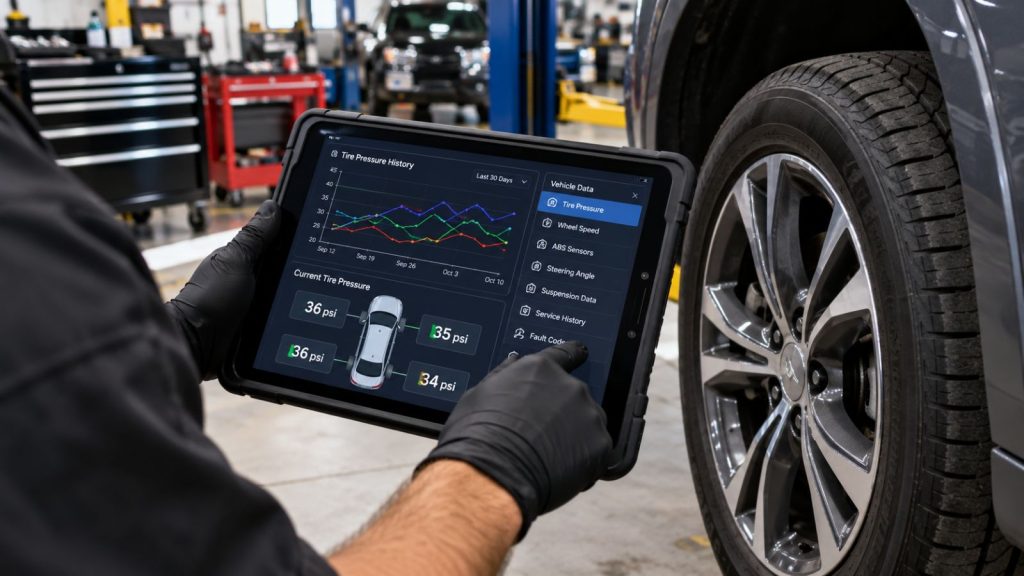
The number shown on a tire gauge is only one piece of information. The changes between readings often explain more.
A tire that loses pressure once during a cold weather change is different from a tire that repeatedly drops several PSI after being adjusted. The pattern helps determine whether the issue is related to temperature, a slow leak, or a condition around the wheel.
Pressure records can answer questions such as:
- Is one tire losing air faster than the others?
- Did pressure changes begin after a repair?
- Does the same issue return after inflation?
Keeping simple records can make future inspections more accurate.
Tire Conditions Across Salt Lake City Roads
Vehicles in Salt Lake City experience conditions that can affect tire wear throughout the year. Winter road treatments, temperature swings, rough pavement, and highway driving all contribute to changes in tire condition.
A vehicle used for daily commuting may accumulate gradual wear without obvious symptoms. Delivery vehicles and high-mileage drivers often see these changes sooner because their tires spend more time on the road. Checking tires after winter and summer driving periods often reveals changes that were not obvious during normal use.
Combining Service Records With Physical Checks
Predictive maintenance does not require complicated systems. Much of the useful information comes from comparing what happened before with what is visible during the current inspection.
A pressure history can explain why one tire needs repeated inflation. Tread measurements can show whether wear is progressing evenly. Previous repair records can explain why a concern may have returned.
With previous records available, I can compare the tire’s condition instead of judging it from one visit.
Frequently Asked Questions
Can tire maintenance be predicted without advanced technology?
Yes. Pressure records, tread measurements, and technician inspections can show changes that may need attention before a larger tire concern develops.
Can a tire lose air without a puncture?
Yes. Air loss can come from valve issues, wheel sealing problems, corrosion, or damage around the tire area.
Can uneven tread wear point to a vehicle issue?
Yes. Uneven wear can be related to alignment settings, suspension components, or inflation habits that affect how the tire contacts the road.
Why should tire pressure changes be tracked?
Pressure changes show whether a tire is holding air normally or losing air repeatedly between inspections.
Can weather affect tire pressure readings?
Yes. Temperature changes can affect inflation levels, which is why seasonal checks are useful for maintaining proper tire condition.
Schedule A Tire Inspection In Salt Lake City
Tire condition changes gradually, and those changes provide useful information before a driver notices a major problem. Reviewing pressure history, tread wear, and service records creates a clearer picture of what is happening with the vehicle.
Tire World provides tire inspections focused on wear concerns, pressure changes, and vehicle-related tire issues. Visit Tire World at 4220 W 850 S, Salt Lake City for a detailed tire evaluation from experienced technicians.
Schedule your tire inspection with Tire World today and get a better understanding of your tire condition before your next drive.
