MON – FRI: 8:00 AM – 5:00 PM
SAT & SUN: CLOSED

Flat Proofing

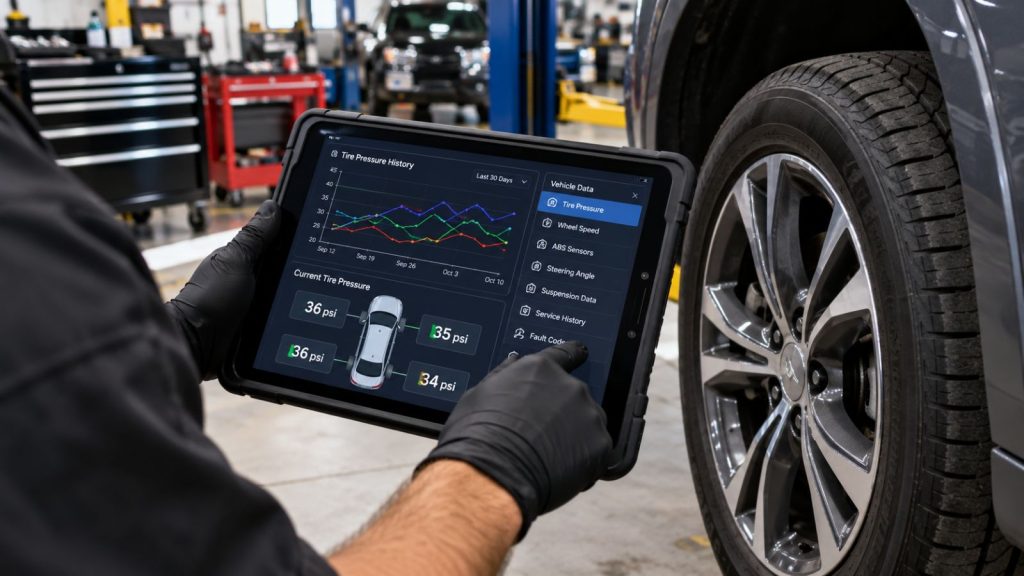
A technician reviewing digital tire pressure history and service records on a tablet in an auto repair shop.

Predictive Tire Maintenance Through Real Tire Data

Predictive tire maintenance uses pressure records, tread wear measurements, and technician inspections to track changes before major issues develop. Drivers can monitor repeated air loss, uneven wear, and changing tire conditions over time. Comparing service history with physical checks helps identify concerns early and supports timely tire repairs and replacements. A driver came into the […]

Predictive Tire Maintenance Through Real Tire Data Read More »
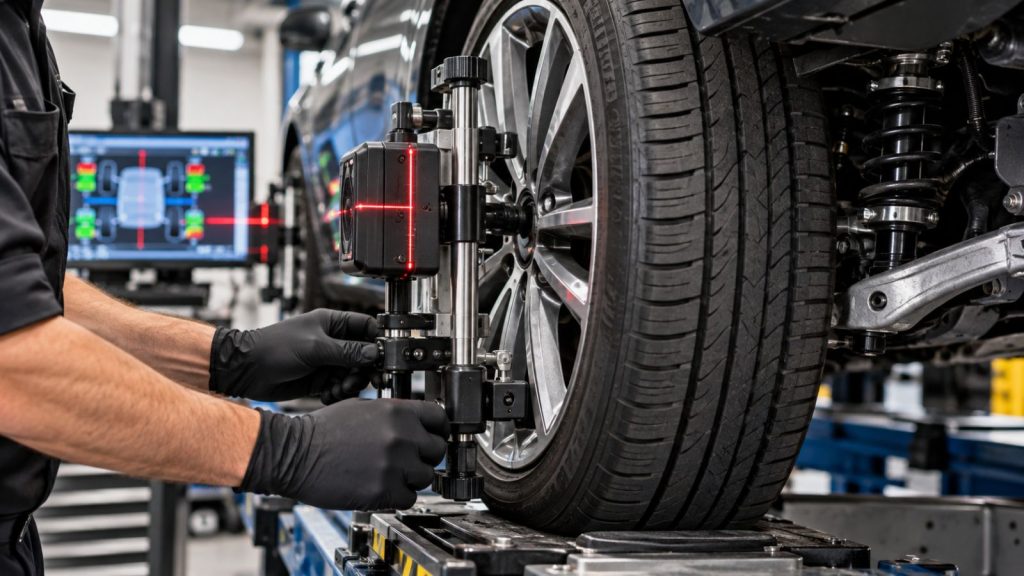
Close-up of a mechanic's hands adjusting precision alignment laser sensors on a car tire and suspension assembly at Tire World.

Wheel Alignment Effects On Tire Damage Prevention In Salt Lake City

Yes. Poor wheel alignment can accelerate uneven tire wear by changing how the tread contacts the road. When toe or camber angles move outside factory specifications, certain areas of the tire carry more stress than others, reducing tread life and increasing exposure to tire damage. At Tire World, alignment inspections often reveal tire wear that

Wheel Alignment Effects On Tire Damage Prevention In Salt Lake City Read More »

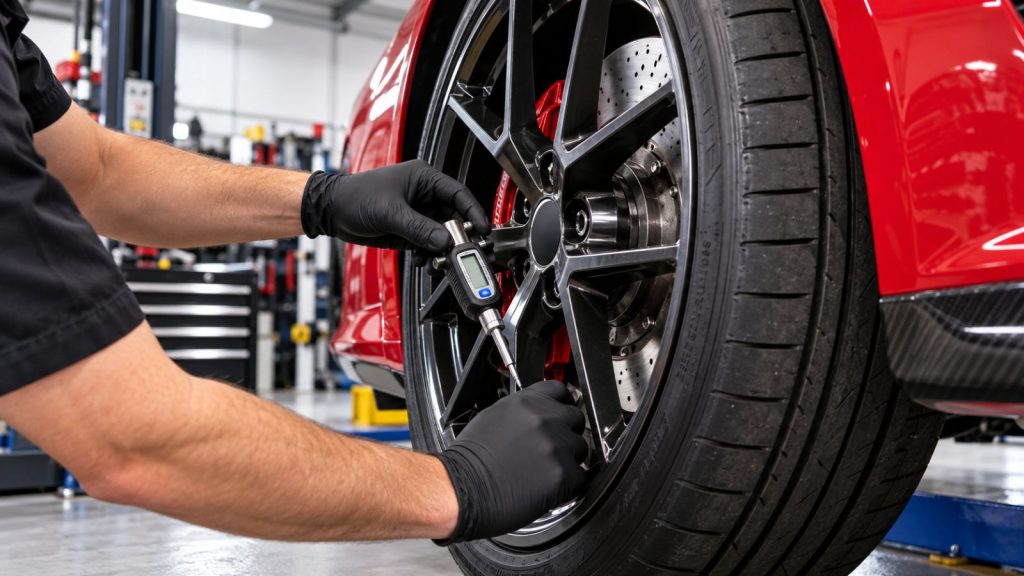
A close-up view of a technician's hands using a precision gauge to check the pressure of a low-profile premium tire in a professional repair shop.

Protecting Premium Tires From Preventable Damage In Salt Lake City

Premium tires require regular attention because low-profile designs are more sensitive to pressure changes, road impacts, and uneven wear. Proper inflation, routine inspections, careful driving, and seasonal maintenance help Salt Lake City drivers protect their tire investment and reduce the risk of costly repairs.  Many premium vehicles use low-profile tires because they provide precise steering

Protecting Premium Tires From Preventable Damage In Salt Lake City Read More »

Close-up of a commercial truck tire bead and valve stem covered in white salt brine residue from winter road treatments.

Commercial Tire Inspections Before Utah Winter Conditions

Commercial fleet tires in Salt Lake City can lose pressure during freezing temperatures, especially after overnight cold exposure and winter road brine contact. Regular inspections help identify valve leaks, corrosion, bead issues, and underinflation before trucks return to service. Tire World checks commercial tires for winter conditions across Utah routes. Commercial trucks operating through Salt

Commercial Tire Inspections Before Utah Winter Conditions Read More »

Close-up of a commercial truck tire valve stem showing white corrosion and icy moisture from road brine exposure in a cold industrial setting.

Winter Fleet Tire Problems Caused by Utah Cold and Road Brine

Commercial fleet tires in Salt Lake City face winter stress from freezing temperatures, overnight pressure loss, and magnesium chloride road brine. Cold weather reduces tire pressure while corrosion around valves and bead areas can create slow leaks. Regular inspections help fleets identify air loss before trucks experience roadside downtime or route delays.  Commercial trucks operating

Winter Fleet Tire Problems Caused by Utah Cold and Road Brine Read More »

A professional Tire World mechanic uses an infrared thermal imaging tool to inspect an SUV tire bead for heat and pressure issues at a Salt Lake City repair shop.

Utah Fall Tire Checks That Prevent Highway Problems

Utah’s fall temperature drops can lower tire pressure overnight, causing extra sidewall flex and heat during highway driving. Tire World inspects SUV tires for pressure loss, bead leaks, valve issues, and wear before mountain trips through routes like I-80. Seasonal checks help identify tire concerns before they become problems.  At Tire World, we see this

Utah Fall Tire Checks That Prevent Highway Problems Read More »

A vehicle driving on a slushy winter road in Salt Lake City, with snow and magnesium chloride road brine spraying around the wheel well and tire.

Smart Tire Sensor Problems During Salt Lake Winters

Salt Lake City winter conditions can cause TPMS warnings due to cold temperatures, road brine exposure, and communication issues between tire sensors and vehicle systems. Proper diagnosis checks whether the sensor is actually damaged before replacement. Testing helps identify whether the problem comes from the sensor, connections, or winter-related conditions affecting operation. A customer came

Smart Tire Sensor Problems During Salt Lake Winters Read More »

A close-up view of a sharp metal screw embedded in a car tire tread on asphalt, illustrating potential tire damage from construction site debris.

Construction Debris Can Damage Your Tires Before You Notice a Flat

Construction debris in Salt Lake City can damage tires without causing an immediate flat. Screws, metal fragments, and rough road surfaces may create slow leaks or internal damage over time. A professional inspection checks whether the tire can be safely repaired or requires replacement after exposure to active construction zones and road hazards. Construction zones

Construction Debris Can Damage Your Tires Before You Notice a Flat Read More »

Close-up of a car tire tread showing visible feathering and uneven wear patterns, indicating alignment and low pressure issues.

Salt Lake City Tire Wear Problems Linked to Alignment and Low Pressure

Uneven tire wear often starts with small alignment changes, low tire pressure, or slow air leaks. In Salt Lake City, temperature swings, road impacts, and winter road treatments can accelerate wear. Regular alignment checks, pressure inspections, and tread evaluations help identify problems early and prevent unnecessary tire replacement.  Tires Often Show Damage Before Drivers Notice

Salt Lake City Tire Wear Problems Linked to Alignment and Low Pressure Read More »